And in 2026, that bond is shaping how veterinary care is discovered, delivered, and evaluated. Today’s pet parents expect the same clarity, convenience, and control from their veterinary clinic that they experience in every other part of their digital lives..
This isn’t about adopting technology for technology’s sake. It’s about aligning clinic operations with how pet parents actually behave: how they book appointments, how they communicate, how they pay, and how they build long-term relationships with the practices they trust. As highlighted in the TGM Global Pet Care Report 2024, more pet owners are adopting digital tools to enhance their pets’ care and manage their busy lives.
So, what are the key trends your practice needs to master? We’ve distilled the latest industry research into three non-negotiable trends for 2025.
1. The Digital-First Client Experience
In 2026, digital access is no longer a differentiator — it’s the baseline. Pet parents expect to interact with their clinic the same way they interact with banks, airlines, or healthcare providers: on their own time, from any device.
What Pet Parents Expect:
24/7 Online Booking A staggering 78% of pet owners want the ability to book appointments online at any time. For younger clients (18-34), this is a deal-breaker, with 69% reporting friction in the booking process due to limited hours and long phone hold times.
Instant Access to Health Records 83% of pet owners want to view and share their pet’s health records easily. This transparency builds trust and empowers them to take a more active role in their pet’s care.
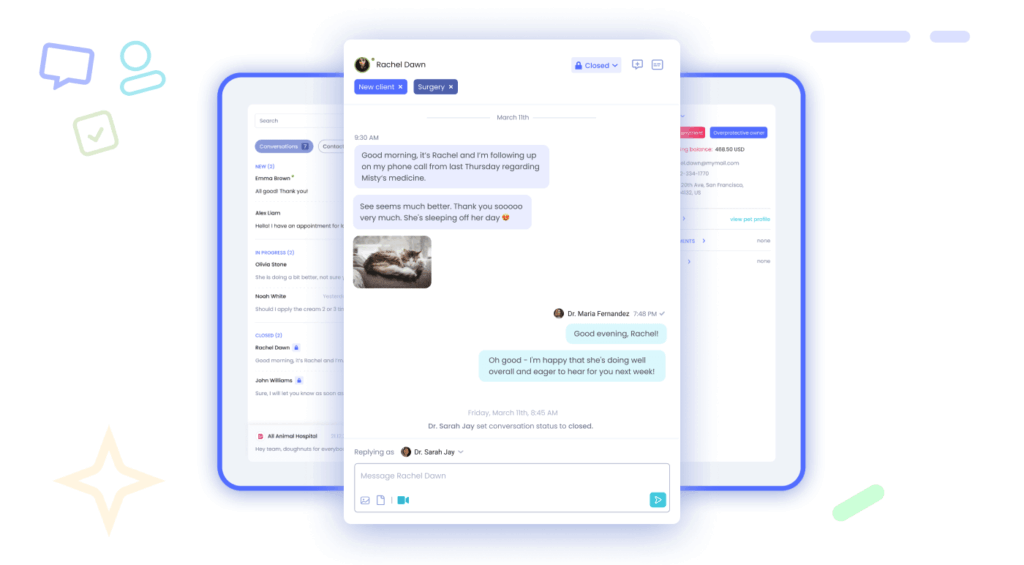
Seamless Communication Whether through a dedicated app, SMS, or an online portal, clients expect direct and instant communication with their veterinary team.
How to Adapt:
If your clinic isn’t already offering a client-facing app or online portal, now is the time to make an investment.
Step 1: Audit your current client journey and map out every digital touchpoint a client has with your clinic. Where is the friction? Do they have to call for appointments? Do they have separate logins for medical records and a booking tool?
Step 2: The biggest mistake clinics make is bolting on multiple, disconnected tools. This creates data silos and administrative nightmares. The goal is to have your PIMS serve as the central “brain” for all client interactions—booking, records, and communication.
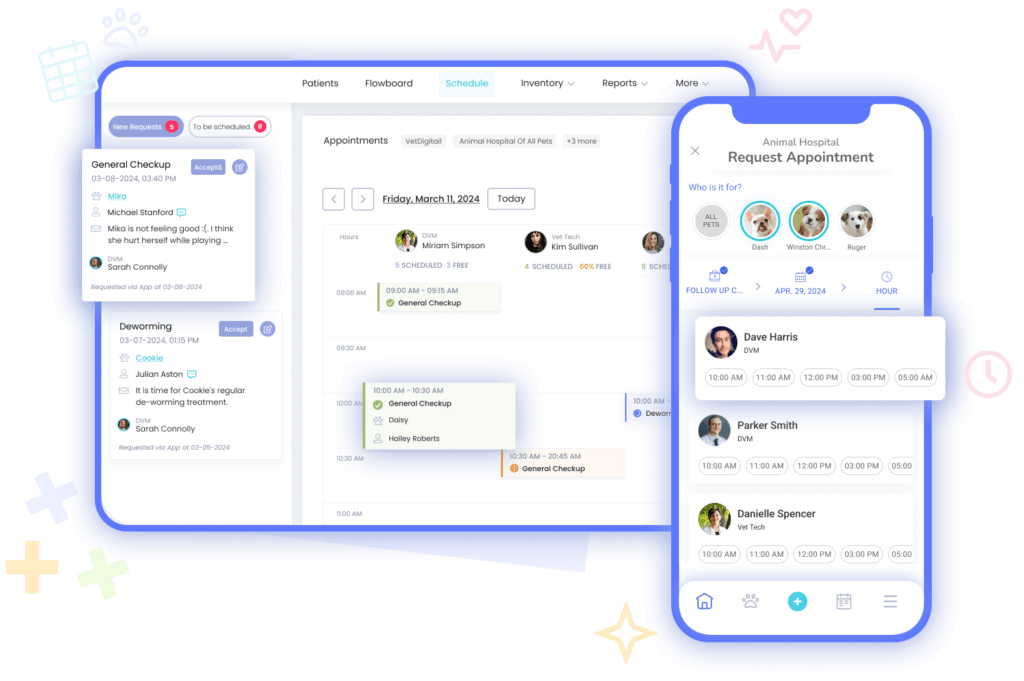
Digitail provides an all-in-one solution that enables 24/7 online booking, access to pet health records, and seamless communication through the Pet Parent App.
With Digitail’s online booking system, pet parents can schedule appointments whenever they need to, from any device, giving them full control over their pet’s care. The system automatically syncs with the clinic’s schedule, reducing the risk of double-bookings and ensuring that appointments are efficiently managed.
Moreover, Digitail’s Pet Parent App gives pet parents instant access to their pets’ health records, allowing them to easily view and share the information they need.
A great example of how this works in action is Shoreview Veterinary Clinic, which saw a significant boost in client satisfaction after adopting Digitail. By providing clients with a digital hub for booking, records, and communication, they achieved a five-star rating from their customers.
2. Telemedicine and Virtual Care
Driven by the demand for convenience and accessibility, telemedicine is rapidly becoming a cornerstone of modern veterinary care. In 2025, virtual vet visits accounted for over 30% of all consultations.
What Pet Parents Expect:
Convenient Consultations For routine follow-ups or minor concerns, pet owners value the ability to connect with a vet from home, saving time and reducing stress for anxious pets.
Reduced Stress Virtual visits eliminate the stress of travel for anxious pets (and their owners), creating a more positive experience for everyone.
Flexible Formats Telemedicine isn’t just about live video calls. Asynchronous communication, like secure messaging and photo/video sharing, allows pet owners to get expert advice on their own schedule.
How to Adapt:
Integrating telemedicine into your practice doesn’t have to be complicated.
Step 1: Start by identifying 2-3 types of appointments that can be effectively handled remotely (post-operative check-ins, nutritional consultations, etc.).
Step 2: Document a clear workflow for your team and clients. Define when telemedicine is appropriate, how to schedule a virtual visit, and how billing will be handled. This removes ambiguity and builds confidence.
Step 3: Market the benefits, not the technology. Your clients don’t care about “telemedicine.” They care about “saving a stressful car ride” or “getting answers from your vet without leaving home.” Frame your new service around these real-world benefits.
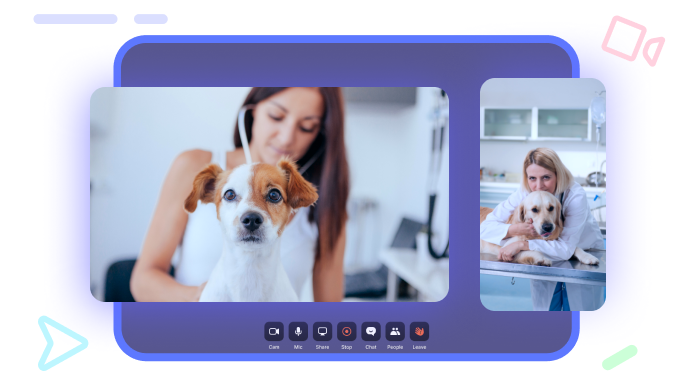
Digitail’s Telemedicine Feature is built directly into the PIMS, so virtual consultations are just another appointment type in your calendar.
Pet parents can connect with veterinarians via secure video calls, messaging, or photo sharing, allowing clinics to offer flexible consultation formats that suit their clients’ schedules.
See how Simmons Vet Clinic drove Pet Parent App adoption, significantly increasing client engagement with virtual consultations, in Dr. Chris Simmons’ insights.
3. Touchless Payments and Subscription Wellness Plans
The final trend is all about financial convenience and predictability. Just as they do in other areas of their lives, pet owners expect a smooth and modern payment experience.
What Pet Parents Expect:
Digital Payment Options 66% of pet owners value the ability to pay on any device, including via a link sent directly to their phone. This eliminates the bottleneck at the front desk and creates a more efficient checkout process.
Flexible Financing Unexpected vet bills can be a major source of stress for pet parents. “Buy Now, Pay Later” (BNPL) options are becoming a key differentiator. These services allow pet parents to split large bills into manageable installments, increasing the likelihood that they will approve necessary treatments.
Predictable Costs Subscription wellness plans are gaining popularity because they offer a clear, predictable way for pet owners to budget for their pet’s preventive care.
How to Adapt:
Step 1: Your first goal should be to eliminate the checkout line. Implement a system that allows you to send a payment link directly to a client’s phone. They can pay from the exam room, their car, or at home.
Step 2: Don’t overcomplicate it, launch a simple wellness plan. Start with one or two basic plans, such as a “Puppy’s First Year” or “Senior Cat Care” plan. Bundle the essential preventive services (vaccines, exams, routine bloodwork) into a single, affordable monthly subscription.
Step 3: Make sure that “Buy Now, Pay Later” services integrate directly with your PIMS. This is crucial—without integration, it creates more administrative work. An integrated solution allows clients to get approved in minutes while your clinic receives the full payment upfront, risk-free.
This entire financial ecosystem can be managed through a single platform. Digitail combines all these elements seamlessly.
Digitail Secure Payments simplifies the payment process, offering a range of options that make paying easy and seamless. Pet parents can pay via online payment links sent directly to their phones or through saved cards on file, eliminating the need for in-person transactions and speeding up checkout times.
For clinics in the US and Canada, the Buy Now, Pay Later (BNPL) option allows pet parents to split payments into manageable installments, while the clinic still receives full payment upfront.
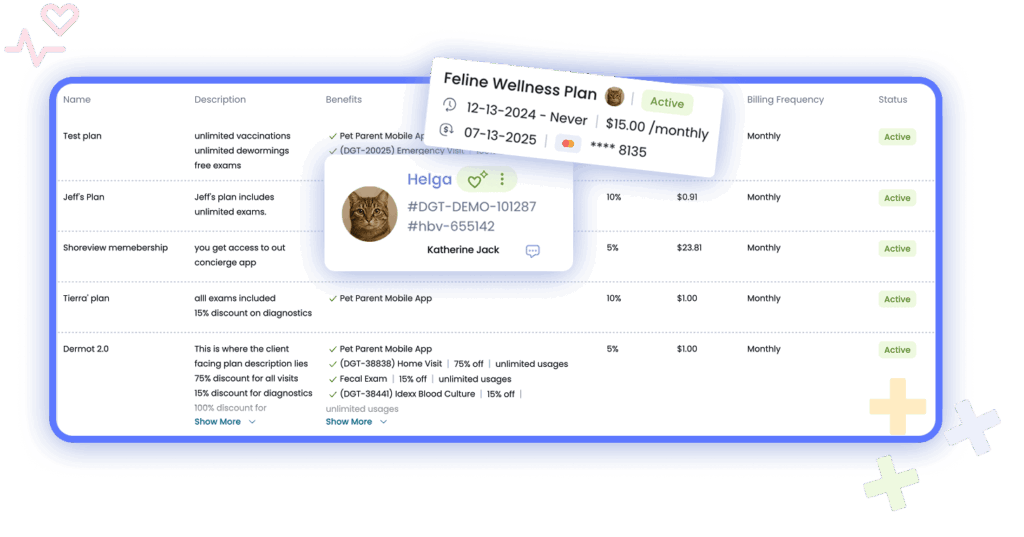
In addition to simplifying payments, Digitail’s Wellness Plans offer a subscription-based model for routine care, providing pet parents with a predictable, monthly or annual payment for preventive services. These plans encourage proactive care, ensuring that pets stay on track with vaccines, check-ups, and treatments. By offering customizable wellness plans, clinics can build deeper, long-term relationships with pet parents while ensuring steady revenue for their practices.
Operational Mistakes That Keep Clinics Stuck in Old Workflows
Even with clear signals from pet parents, many clinics struggle to adapt — not because they don’t care, but because change often focuses on tools rather than outcomes. Good intentions alone don’t close the gap between what clients expect and how clinics operate day to day.
Common missteps include:
Treating convenience as a “nice-to-have” rather than a core service expectation.
Online booking, digital communication, and touchless payments are sometimes positioned as optional enhancements, when in reality they increasingly determine whether a clinic is chosen at all.
Adding technology without rethinking workflows.
New tools layered onto old processes often increase complexity instead of reducing it, leaving teams frustrated and clients confused. Technology should simplify work, not create parallel systems.
Offering wellness plans without clear education or framing.
When preventive plans are presented as discounts instead of long-term care strategies, pet parents may misunderstand their value or disengage after enrollment.
Using virtual care reactively instead of strategically.
Telemedicine is most effective when it supports follow-ups, triage, and continuity of care — not when it’s used ad hoc or only during peak demand.
At the core, the challenge isn’t effort or intent. It’s the misalignment between modern pet parent expectations and the operational habits clinics have relied on for years. Closing that gap requires not just adopting new tools, but intentionally redesigning how care is delivered and communicated.
The message from pet owners is clear: the future of veterinary care is digital, convenient, and client-centric. By embracing these three trends, your practice can not only meet the evolving expectations of your clients but also improve efficiency, build stronger relationships, and ultimately, provide better care for the pets at the heart of it all.
Ready to Meet Pet Parent Demands in 2026?
Discover the only all-in-one veterinary software for simpler operations, improved pet care, and getting home on time.
Running a high-performing clinic in 2026 isn’t just about having the latest tech; it’s about having a toolkit that protects your time, your team’s sanity, and your bottom line. Whether you’re building a new practice from scratch, planning a renovation, or just doing an honest audit of what you have, a structured equipment list helps....
Most veterinary practice owners think about profitability in terms of appointment volume and fee schedules. Add more clients, raise prices, and see more patients per day. That math makes sense on the surface. But many clinics that increase appointment volume still struggle to improve their margins. The reason is often the same: the operational infrastructure...
The front desk at a busy veterinary clinic is one of the most demanding environments in healthcare. Phones ring, pets are anxious, pet parents have questions, and the care team needs records ready before the doctor walks in. When check-in processes are manual and disconnected, small inefficiencies compound into real problems: missed information, delayed care,...