If you still think AI in veterinary software is mainly about dictating SOAP notes, you’re seeing only a small fraction of what’s happening in modern veterinary practices.
While automated transcription is a great first step, limiting AI to a single task is like using a cutting-edge ultrasound machine as a paperweight. Over the past few years, artificial intelligence has quietly become embedded across the entire veterinary workflow from appointment scheduling and patient intake to medical documentation, clinical decision support, invoicing, and client communication.
The global AI in veterinary medicine market is projected to grow from 1.6 billion to 6 billion dollars within the next 5 years. The reason is clear: AI is no longer a single, siloed feature. It’s a platform-wide intelligence layer that impacts the entire patient journey.
If you’re curious about what a truly modern, AI-powered practice looks like, here are 20 use cases that are already delivering immense value in veterinary clinics today.
20 AI Use Cases in Veterinary Clinics
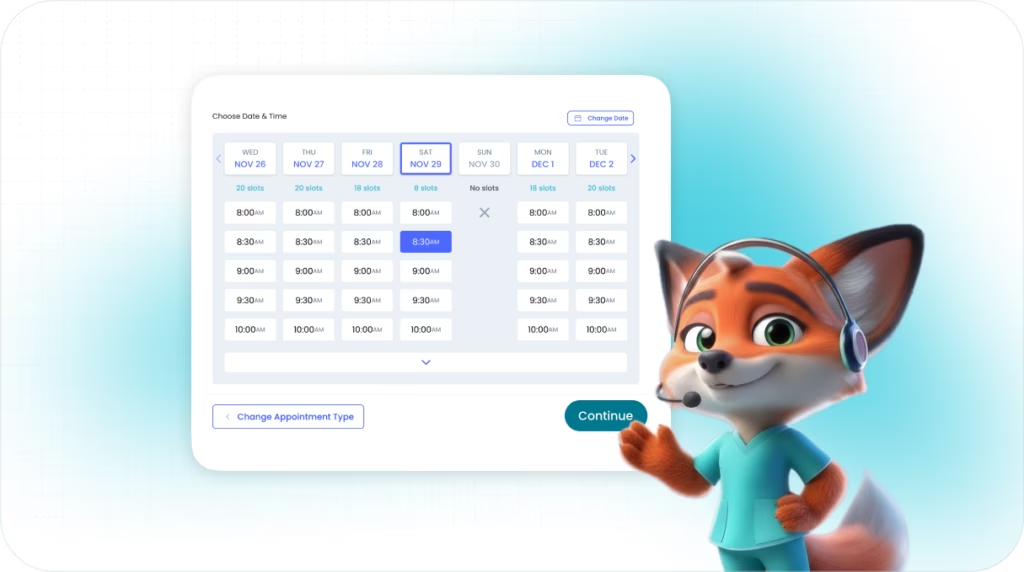
1. AI-assisted appointment scheduling
AI assistants can help reception teams manage appointment demand by matching patient concerns with the appropriate visit type and available schedule slots. This reduces missed calls, improves calendar utilization, and helps clinics keep their appointment flow organized.
2. Digital patient intake
Instead of collecting history during a rushed check-in, AI-powered intake tools can ask pet parents about symptoms, medical history, and concerns ahead of time. The conversation is summarized and automatically attached to the patient record so the care team walks into the exam room prepared.
3. After-hours triage capture
Pet parents frequently contact clinics outside normal hours with concerns like vomiting, limping, or toxin exposure. AI systems can capture these symptoms, ask follow-up questions, and record the information directly in the patient file so the team can review it when the clinic opens.
4. Phone call summaries
Phone conversations with pet owners can be summarized automatically, transforming long call logs into structured notes that are saved in the client communication history.
5. Pre-visit patient summaries
Before the appointment begins, AI can summarize the patient’s profile—recent visits, medications, diagnoses, preventive care status, and communications with the client. This gives veterinarians critical context without needing to manually review multiple records.
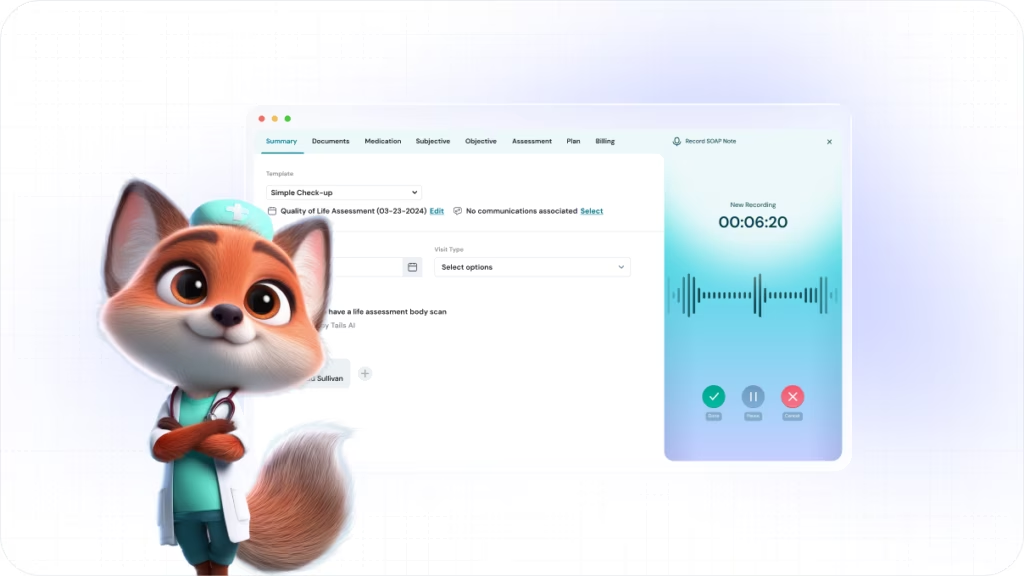
6. AI-powered SOAP note dictation
During the consultation, veterinarians can dictate the exam findings and conversation with the client while AI transcribes the discussion and structures it into SOAP format. Instead of typing throughout the appointment, doctors can focus on the patient and review the record afterward.
7. Voice-to-invoice charge capture
One of the most common sources of lost revenue in veterinary clinics is missed charges. AI can review the medical record and identify treatments, diagnostics, or products mentioned during the appointment and recommend them as invoice items.
8. Clinical decision support and presumptive diagnosis guidance
AI assistants can analyze patient symptoms, signalment, and medical history to suggest possible differentials or relevant diagnostic considerations. While the final medical decisions always remain with the veterinarian, AI can act as a helpful reference during case workups.
9. Dosage calculations and quick medical questions
Instead of searching textbooks or external resources, veterinarians can ask AI assistants to calculate medication dosages or explain potential complications, helping clinicians access information quickly during a busy appointment schedule.
10. Medical record verification and safety checks
AI can review SOAP notes alongside the patient’s medical history and flag possible inconsistencies, missing documentation, or treatment risks. This acts as a second set of clinical eyes, especially useful in high-volume practices where fatigue can lead to small mistakes.
11. Automated discharge instructions
After the visit, AI can generate personalized discharge notes that summarize treatments, medications, diet changes, and follow-up recommendations for the pet owner.
12. Client communication generation
AI assistants can help clinics quickly generate professional emails, text messages, or chat responses to clients. Whether it’s a vaccination reminder, follow-up message, or explanation of a treatment plan, communication can be drafted in seconds.
13. Prescription refill workflows
AI can help capture refill requests, check prescription history, and route requests to the appropriate team member for approval.
14. Preventive care reminders
Vaccinations, parasite prevention, and wellness exams often rely on reminder systems. AI can identify overdue services and automatically generate reminders for pet parents.
15. Monitoring chronic conditions
For patients with long-term conditions like diabetes, arthritis, or dermatologic disease, AI can trigger follow-ups with pet owners to track progress and ensure treatment plans are working.
16. Image and document analysis
Veterinary clinics frequently store diagnostic images, lab reports, and medical documents in the patient record. AI tools can analyze images, extract text from documents, and generate summaries that help clinicians quickly understand key information.
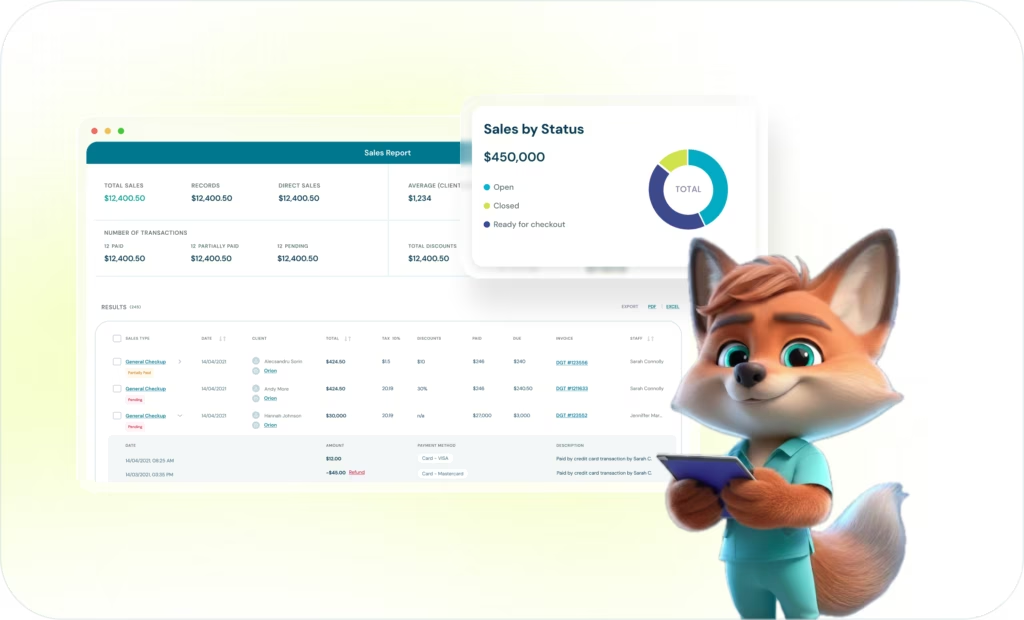
17. Operational analytics and business insights
AI can analyze appointment flow, revenue data, service utilization, and inventory usage patterns to help practice managers identify operational blind spots.
18. Inventory monitoring and product management
By analyzing product usage and invoice data, AI can detect inconsistencies in inventory records, identify products missing key data, and alert managers before stock shortages occur.
19. Service and pricing management
Practice managers can use AI prompts to review service lists, identify incorrect pricing, update AAHA codes, and standardize services across the hospital.
20. Commission calculations and reporting
AI tools can adjust commission structures, generate reports for services performed, and automate calculations that previously required spreadsheets.
Industry Success Stories: AI in the Wild
Taken individually, many of these use cases may look like small improvements. But when they are implemented together inside the same practice management system, the effect is much larger.
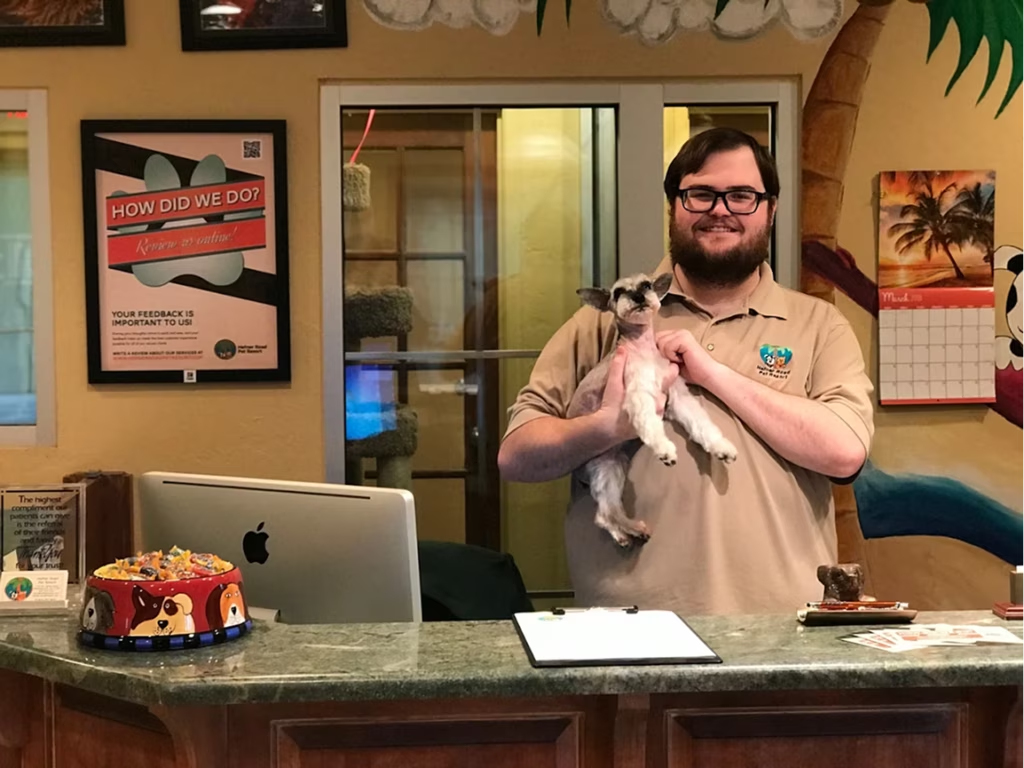
Some clinics that adopted AI report significant changes in how their teams operate. For example, at Hefner Road Animal Hospital, doctors reported saving over 70 minutes per veterinarian per day once AI became part of their workflow, helping eliminate record backlogs and reduce after-hours charting.
Hefner Road Animal Hospital Front Desk
At Riverside Vet, Dr. Liza Price noticed the change almost immediately. Days that used to bleed into evenings of catch-up charting now wrapped up on time, even with a full slate of 30+ appointments. The medicine hadn’t changed. The patients hadn’t changed. What changed was how much of her mental energy was going toward paperwork instead of care.
These kinds of results illustrate an important point: the real value of AI in veterinary software doesn’t come from replacing veterinary expertise. It comes from reducing the administrative load that surrounds patient care, allowing veterinary professionals to focus their attention where it belongs—on diagnosis, treatment, and communication with pet owners.
How Digitail Brings AI Into the Veterinary Workflow
At Digitail, we built Tails, the most advanced AI in veterinary medicine, to deliver exactly these kinds of results. We believe your PIMS should be more than a passive record-keeping system. It should be an active partner in your success.
With over 20+ AI workflows, Tails provides dedicated assistants for every role in your clinic, from the AI Concierge managing your front desk to the AI Medical Assistant in the exam room and the AI Practice Manager optimizing your back-office operations. Stop settling for a PIMS that just stores records. It’s time to adopt a platform that actively helps you grow.
Use AI technology to advance the way you practice and deliver care
Book a demo with our team to explore how Digitail’s integrated AI can help your veterinary practice automate workflows, reduce administrative load, and free up your team to focus on care.
Most veterinary practice owners think about profitability in terms of appointment volume and fee schedules. Add more clients, raise prices, and see more patients per day. That math makes sense on the surface. But many clinics that increase appointment volume still struggle to improve their margins. The reason is often the same: the operational infrastructure...
The front desk at a busy veterinary clinic is one of the most demanding environments in healthcare. Phones ring, pets are anxious, pet parents have questions, and the care team needs records ready before the doctor walks in. When check-in processes are manual and disconnected, small inefficiencies compound into real problems: missed information, delayed care,...
The veterinary industry is evolving rapidly. Consolidation is accelerating. Client expectations are rising. Labor costs remain high. And according to Mordor Intelligence, the U.S. veterinary services market continues to grow steadily year over year, driven by increased pet ownership and higher per-pet spending. As appointment volume increases and teams expand, the systems that once felt...